Affordable Monthly Pest Control Services in Sussex County

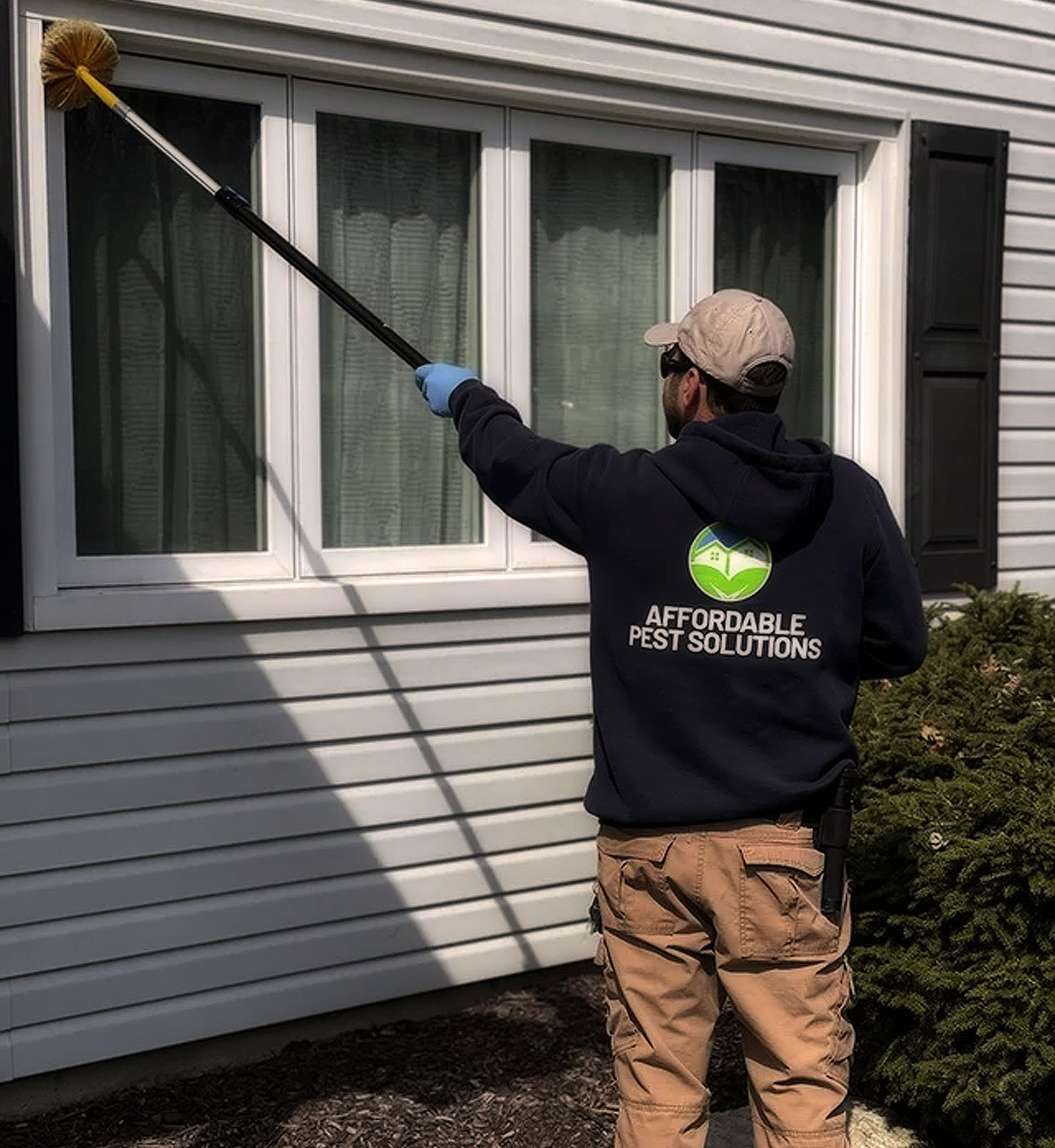
Monthly pest control is one of those services most people do not think much about until a problem gets personal. It usually starts small. A few ants along a windowsill in April. A line of pavement ants near the kitchen sink after a hard rain. A wasp nest beginning under the eaves in early summer. By the time a homeowner is searching for help, the issue has often moved past annoyance and into routine disruption.
That is why affordable monthly pest control services in Sussex County matter. They are not only about knocking down visible pests. They are about preventing recurring infestations, reducing emergency calls, protecting food storage and living spaces, and making the cost of pest management predictable. In a county with a mix of rural properties, suburban neighborhoods, wooded lots, shore-adjacent moisture, older homes, and newer developments, pests behave differently from one street to the next. A good monthly service plan reflects that reality.
The phrase Pest Control Services Sussex County covers a wide range of needs, but affordability comes down to one practical question: what do you get each month for the price you pay? Homeowners and property managers who ask that question early tend to make better decisions than those who focus only on the lowest number in an ad.
Why monthly service often costs less over time
A one-time spray can feel cheaper because the bill is smaller in the moment. In practice, one-time service often becomes repeat service, especially when the underlying conditions never change. Ant colonies continue developing outside the structure. Spiders return because their food source remains active. Roaches find moisture and warmth in the same voids and appliance areas. Rodents exploit the same gap around a pipe or garage door sweep.
Monthly programs spread the cost over time, but they also interrupt the cycle that makes infestations expensive. A technician who visits regularly has a chance to notice patterns: where moisture is collecting, which side of the home is attracting insect pressure, whether landscaping is creating a bridge to the structure, and whether activity is seasonal or persistent. That kind of pattern recognition is where real value lives.
I have seen homeowners spend several hundred dollars across a season on isolated callbacks when a well-structured monthly plan would have stabilized the problem earlier. The service itself was not magical. The difference was consistency. Pests are not static, and treatment should not be static either.
What Sussex County properties are up against
Sussex County presents a broad pest profile because the housing stock and environment vary so much. A single provider may serve a townhome complex with shared walls in the morning, then a farmhouse bordered by fields in the afternoon, then a coastal-area rental by evening. Those settings create different pressure points.
Ants are among the most common repeat invaders, especially in spring and summer. Odorous house ants are notorious because people kill the visible workers and assume the issue is gone, only to see them reappear in a different room two days later. Carpenter ants create a different level of concern because they can indicate moisture-damaged wood and may nest in wall voids, window frames, or damp trim.
Spiders tend to be more of a nuisance than a structural threat, but they often signal a broader insect population. If a home has an ongoing spider issue around basements, garages, and exterior lighting, there is usually enough prey available to support that activity. Treating spiders without addressing what they are feeding on rarely holds up.
Cockroaches vary by setting. In single-family homes, treatment may focus on isolated moisture zones and entry points. In multifamily housing, the challenge becomes more complex because units influence one another. Good monthly service in that environment requires communication, sanitation guidance, and realistic expectations.
Rodents become more active as temperatures shift, especially in fall and winter. A small gap at the corner of a foundation or a warped weatherstrip under a side door is often all it takes. Mice do not need much space, and they do not waste time once they find warmth and food.
Stinging insects, including wasps and hornets, matter not only because of pain but because of placement. Nests near doorways, decks, attics, and play areas become urgent quickly. Monthly exterior checks during warm months can prevent small nest starts from becoming larger hazards.
Moisture-loving pests also deserve attention in Sussex County. Crawl spaces, basements, utility penetrations, and shaded foundation areas create favorable conditions for occasional invaders such as centipedes, millipedes, and some beetle species. They may not damage property in the same way as termites or rodents, but they can make a home feel impossible to keep under control.
The difference between cheap and affordable
People use those words interchangeably, but they are not the same. Cheap service is built to win a phone call. Affordable service is built to work.
A cheap plan often looks appealing at first glance. The monthly number is low, but the service scope is thin. Maybe it covers only a quick exterior application. Maybe interior treatment costs extra every time. Maybe rodents, stinging insects, and specialty pests are excluded. Maybe callbacks are technically available, but hard to schedule or limited by fine print. By midsummer, the homeowner has paid for the base plan plus enough add-ons that the original price no longer means much.
Affordable service, by contrast, is transparent. It tells you what pests are included, how often technicians come, what happens between visits, and what conditions must be corrected by the homeowner. That last piece matters more than many people expect. No responsible company should promise complete control if standing water, open food sources, torn screens, and obvious entry gaps remain untreated.
Here is where many monthly plans separate themselves:
- routine inspection of active and vulnerable areas
- exterior perimeter treatment based on season and pest pressure
- interior service as needed, not only when billed as an upgrade
- reasonable callback support between scheduled visits
- recommendations for exclusion, moisture control, and sanitation
If a company cannot explain those basics clearly, affordability is probably not its strong point.
What monthly pest control usually includes
The best monthly programs begin with a more detailed first visit. That initial appointment Pest Control Services Sussex County should identify current pest activity, likely entry points, conducive conditions, and the treatment strategy. If a provider rushes through the first service in ten minutes without asking questions, that is a warning sign. Pest control is not just product application. Diagnosis matters.
After the initial setup, recurring monthly service usually becomes more efficient. The technician already knows the property and can focus on areas that showed pressure before, along with seasonal changes. During warm months, exterior service may emphasize foundation lines, door thresholds, eaves, garage perimeters, utility lines, and outdoor harborage areas. During cooler months, attention may shift toward rodent monitoring, exclusion follow-up, and interior vulnerability points.
In Sussex County, service plans often need to adapt to the property type. Homes near wooded edges may need more attention around leaf litter, stacked firewood, and detached sheds. Townhomes may need coordination where pests move along connected exterior walls. Restaurants and food businesses have very different compliance needs than residences. Rental properties may require extra documentation and communication with tenants.
That is one reason blanket pricing claims should be treated cautiously. An affordable plan for a compact ranch home is not necessarily the right benchmark for a larger colonial with a finished basement, detached garage, and heavy tree cover.
Factors that shape the monthly price
Monthly pest control costs are usually influenced by the size of the property, the pest types covered, the severity of current activity, and the amount of labor required to stabilize the situation. Homes with established infestations often need more intensive early visits before they settle into a routine maintenance pattern.
Geography within Sussex County can also play a role. Properties near water, marshy zones, wooded parcels, or agricultural edges may face heavier pressure from certain pests. So can homes with older construction details, unsealed crawl spaces, or aging door and window frames.
Another price factor is whether the service plan includes only common crawling insects or extends to broader coverage. Rodent control, exclusion work, bed bug treatments, termite services, and wildlife removal are usually separate from standard monthly plans. That does not mean a company is overcharging. It simply reflects the fact that different pests require different methods, time commitments, and expertise.
Homeowners sometimes get frustrated when they hear a low advertised price and then receive a higher quote after inspection. In fairness, some companies advertise aggressively and explain too little upfront. Still, honest pricing does require inspection. No technician can responsibly quote every house the same way. A dry, well-sealed home with minimal exterior harborage is not the same service challenge as a damp property with gaps, cluttered storage, and active rodent signs.
The value of local judgment
There is a practical advantage to choosing a company that understands the county rather than working from a rigid, one-size-fits-all script. Local technicians know when ant pressure typically surges after weather changes. They know which neighborhoods see repeat wasp issues around soffits and shutters. They know which older properties tend to have crawl space moisture that supports insect activity all season.
That local judgment affects treatment timing and recommendations. It can be the difference between reactive service and preventive service. A technician who expects spring ant movement or fall rodent entry is more likely to treat the right zones before the customer calls in frustration.
That is also where Pest Control Services Sussex County becomes more than a generic search term. It points to the need for service that reflects actual conditions on the ground. The county’s mix of landscapes means pest management has to be flexible. What works in a dense residential block may not be enough for a property with outbuildings, brush lines, and drainage issues.
What homeowners can do to keep the monthly bill reasonable
Affordable pest control is not only about what the company charges. It is also about whether the property is fighting the treatment. Some homes stay stable with light, routine service because conditions are well managed. Others generate repeat issues because simple vulnerabilities are left in place month after month.
A few maintenance habits make a measurable difference. Door sweeps should fit tightly. Utility penetrations should be sealed where practical. Gutters should direct water away from the foundation. Mulch should not be piled against siding. Firewood belongs away from the house, not stacked against it. Pantry items benefit from sealed storage, especially during ant season. Pet food left out overnight can support both insects and rodents.
These are not glamorous fixes, but they are often the cheapest way to reduce service intensity. A technician can treat around a problem, but if the structure continues to offer moisture, shelter, and food, the homeowner is paying to manage a preventable condition.
One of the more common examples is the garage. People assume it does not matter because it is not the main living space, yet garages are often where activity begins. They collect cardboard, pet food, bird seed, tools, recyclables, and clutter. Doors do not always seal tightly, and cracks around slab edges go unnoticed. Once pests establish there, movement into the house becomes easier. A company can help, but a few hours of cleanup and sealing work may lower pressure enough to reduce callbacks all season.
Red flags when comparing providers
Monthly service should feel clear, not vague. If a proposal leaves you guessing what happens during a visit, ask more questions. Companies vary widely in quality, and the marketing language can sound similar even when the service is not.
Watch for a few warning signs:
- pricing that sounds unusually low without specifying coverage
- no inspection before quoting a complex problem
- long contracts with weak callback support
- guarantees that ignore sanitation or structural conditions
- pressure to buy services unrelated to the actual pest issue
A good provider is usually comfortable discussing limitations. That may seem counterintuitive, but it is a mark of competence. Professionals know that treatment has boundaries. If a building has standing water in a crawl space, if tenants are leaving food waste exposed, or if entry points remain open, pest pressure may improve slowly rather than instantly. Honest expectations are part of affordable service because they prevent costly misunderstandings.
Monthly service for renters, landlords, and property managers
Affordability looks a little different when multiple units are involved. For landlords and property managers, the goal is often to prevent small complaints from becoming building-wide issues. In multifamily housing, one untreated source can undermine every neighboring unit. Roaches, ants, bed bugs, and rodents do not care about lease lines.
Monthly service works best in these settings when there is a clear reporting process. Tenants need to know how to flag activity early. Management needs documentation. The pest control provider needs access and enough continuity to identify recurring patterns. If technicians are sent only after complaints escalate, the cost usually rises. Repeated emergency treatments are hard on budgets and hard on tenant relationships.
For seasonal rentals or short-term stays, timing becomes especially important. Vacancies can hide problems until guests arrive, and turnover periods may be the only practical window for more detailed treatment. An affordable monthly plan in that context may prevent lost bookings, negative reviews, and rushed emergency work during peak season.
When monthly service may not be enough by itself
There are cases where monthly visits are useful but not sufficient on their own. Heavy rodent activity often requires exclusion work, trapping strategy, and follow-up inspection beyond a basic maintenance plan. German cockroach infestations may need tighter scheduling, sanitation correction, and cooperation across adjacent units. Termites require their own inspection and treatment protocol. Bed bugs are a separate discipline entirely.
This does not make the monthly plan a poor value. It simply means maintenance and remediation are different categories. The right provider should tell you when the issue calls for something more targeted. If every pest problem is treated as though the same perimeter spray will solve it, money gets wasted.
I have also seen homeowners stick with a low-cost monthly plan while ignoring obvious structural issues because they hoped the service alone would compensate. It rarely does. A damp crawl space, decaying exterior trim, or large foundation gaps create conditions no routine service can fully overcome. Sometimes the most cost-effective pest control decision is a repair, not another treatment.
How to judge whether a monthly program is working
The first measure is not total pest elimination on day one. That is not a realistic standard for most homes, especially in warm months. A better test is whether activity trends downward in frequency, intensity, and spread. Are sightings becoming less common? Are problem areas narrowing rather than expanding? Are callbacks decreasing over time? Is the technician adjusting based on what is being seen, or repeating the exact same routine regardless of results?
Communication is part of performance. The best service notes are specific. They mention where activity was found, what was treated, what conditions need correction, and what to watch before the next visit. Those details matter because pest control is cumulative. Each month should build on the last one.
Homeowners should also pay attention to professionalism in the small things. Does the technician arrive within the expected window? Do they explain what they are doing? Do they ask whether anyone has noticed changes since the last visit? Good monthly service is not dramatic. It is steady, observant, and responsive.
Choosing affordable service without cutting corners
The strongest value usually sits in the middle, not at the extremes. The cheapest plan often omits the labor and follow-through that make pest control effective. The most expensive plan may include services you do not need. Affordable means matched to the property, the pest pressure, and the level of support that actually prevents recurring trouble.
For many households in Sussex County, a monthly plan makes financial sense because it replaces uncertainty with a controlled process. It spreads cost, reduces emergencies, and gives the property a consistent line of defense through changing seasons. That is especially important in places where weather, moisture, and surrounding landscape can shift pest pressure quickly.
When comparing Pest Control Services Sussex County, ask simple, direct questions. What pests are included? What happens between scheduled visits if activity returns? Is interior service available when needed? What exclusions apply? What property conditions will affect results? Clear answers to those questions usually tell you more than any coupon or promotional rate.
Affordable pest control is not about paying the least. It is about paying for service that holds up, month after month, in the real conditions your property actually faces.
Affordable Pest Solutions LLC
Based in Budd Lake, New Jersey 07828
Service area: Sussex County, Morris County, and Warren County, New Jersey
+1 973-229-9547
FAQ About Pest Control Services Sussex County
What is included in a pest control service in NJ?
A visit generally starts with an inspection to identify the pest and assess activity, access points, and contributing conditions. The proposed service may include treatment, monitoring, exclusion recommendations, and follow-up. Ask which pests and areas are covered by the written quote.
How much does a pest controller charge in NJ?
Pricing depends on the pest, property size, severity of activity, and work required. A single treatment and an ongoing plan can have different costs and coverage. Request an inspection-based estimate that explains the included work, follow-up fees, and warranty terms.
How to prepare my home for pest control?
Ask for instructions specific to the planned service. The technician may need access to inspection areas and may ask you to move belongings or protect food and dishes. Mention pets, aquariums, and any household concerns beforehand. Follow the product label and the technician's instructions about leaving and re-entering treated areas.