Pest Control Services Warren County for Long-Term Pest Prevention
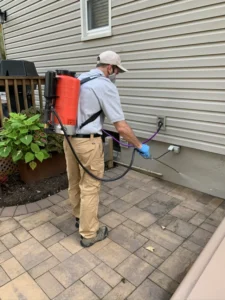
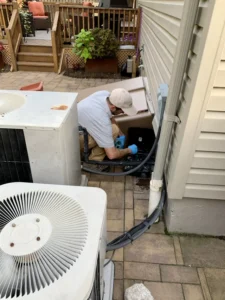
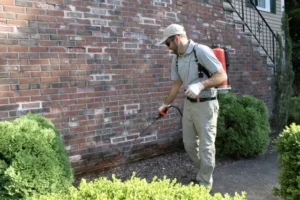
Pests rarely become a serious problem overnight. In most homes and commercial buildings, the warning signs start small, a line of ants near a baseboard, a wasp testing the eaves, droppings in a garage corner, scratching in an attic after dark. By the time those signs are impossible to ignore, the issue has usually been building for weeks or months. That is why long-term prevention matters more than one-time treatment, especially for property owners looking for dependable pest control services Warren County residents can trust through every season.
A quick spray can knock down visible activity. It cannot fix the gap under a back door, the damp crawl space, the overgrown mulch bed against the siding, or the food storage habits that keep drawing pests back. Real pest control is less about reacting in the moment and more about interrupting the conditions that allow pests to settle in, reproduce, and spread.
In Warren County, that approach matters because the area gives pests what they need. Warm summers, cold winters, periodic moisture, wooded lots, older homes, barns, detached garages, and suburban growth all create opportunities. Different properties attract different invaders, but the pattern is consistent. Pests go where they find shelter, water, and food. A prevention-focused service is designed to remove those opportunities before they turn into repeat infestations.
Why long-term prevention outperforms one-time treatment
Anyone who has lived through a recurring pest issue understands the cycle. You notice the insects or rodents, schedule a treatment, things improve, and then two or three months later the problem returns. That is not always a sign of poor treatment. Often, it means the root cause was never addressed.
Take ants as an example. Surface sprays may kill the foragers you can see, but if moisture around the foundation is attracting them or branches are acting like bridges onto the roofline, you have not changed the conditions that brought them there. The same applies to mice. Traps can reduce activity fast, but if utility penetrations are left open and pet food sits out overnight, new mice can enter as soon as the old ones are gone.
Prevention work tends to be less dramatic, but more effective over time. It includes inspection, identification, monitoring, exclusion, moisture management, sanitation advice, habitat modification, and strategically timed treatments where needed. That mix gives property owners a realistic path to fewer pest emergencies and more predictable maintenance costs.
There is also a practical financial angle. A serious rodent problem in an attic can lead to insulation contamination, damaged wiring, and odors that require cleanup beyond standard pest treatment. Carpenter ants and termites can create repair bills that dwarf the cost of routine inspections. A yellowjacket nest under siding may start as a nuisance and become a safety issue for children, guests, or employees. Preventive service does not eliminate all risk, but it reduces the odds of expensive surprises.
The local conditions that shape pest pressure in Warren County
Pest activity is always local. National advice has its place, but county-level conditions tell the real story. In Warren County, the mix of rural land, growing residential neighborhoods, older housing stock, and seasonal weather shifts creates a broad range of pest patterns.
Properties near wooded areas often deal with ants, spiders, stink bugs, ticks, mosquitoes, and rodents moving in from surrounding habitat. Homes with crawl spaces or basements can face moisture issues that attract centipedes, earwigs, and occasional invaders looking for cool shelter. Older homes are especially vulnerable to mice because even a structure that looks solid from the outside may have numerous entry points around pipes, vents, siding transitions, and foundation seams.
Restaurants, retail spaces, storage facilities, and offices have their own pressure points. Dumpster placement, delivery schedules, floor drain maintenance, employee break areas, and neighboring tenants all influence pest risk. In multi-unit settings, one neglected space can affect an entire building. That is where regular commercial pest management becomes less of a luxury and more of a baseline operating requirement.
The season also matters. Spring often brings ant activity, termite swarms, and renewed wasp nesting. Summer raises pressure from mosquitoes, stinging insects, and pantry pests in warm interiors. Fall is prime time for rodents looking for winter shelter. Winter tends to reveal hidden interior issues because pests that moved in during colder months become more noticeable once they are confined indoors.
What strong pest control services actually look like
A professional service focused on long-term prevention does not begin with a generic treatment plan. It begins with inspection and questions. Where are pests being seen, at what times, in which rooms, under what weather conditions, and how long has the pattern existed? That information helps distinguish a random sighting from an established infestation.
From there, a skilled technician looks beyond the obvious. They check utility lines, sill plates, attic vents, soffits, basement corners, window frames, crawl space moisture, exterior grading, vegetation contact, and signs of nesting or harborage. In commercial settings, they look at receiving areas, mop closets, storage practices, grease accumulation, door sweeps, and sanitation gaps. The point is not simply to confirm the pest. It is to understand why the pest is present.
That distinction matters because the treatment for one issue can be completely wrong for another. Small black ants in a kitchen may be moisture-seeking pavement ants, odorous house ants following a trail, or carpenter ants linked to damp wood. Each scenario calls for a different level of concern and a different plan. Misidentification wastes time and often makes customers think “nothing works,” when the real issue is that the wrong strategy was used.
Reliable pest control services Warren County property owners choose year after year usually share a few traits. They document findings clearly. They explain what can be corrected by the provider and what needs owner cooperation. They schedule follow-up based on pest biology rather than wishful timing. Most importantly, they do not pretend every problem can be solved in one visit.
Rodents require a different level of discipline
Rodent control is where prevention either succeeds or fails in plain view. Mice and rats are not just unpleasant. They contaminate food areas, leave droppings and urine trails, damage insulation, and Pest Control Services Warren County chew materials they should never be able to reach. In a house, that can mean ruined storage and persistent odors. In a business, it can affect reputation and compliance.
Many people underestimate how small an opening a mouse can use. A gap around a conduit, a warped garage door corner, or a missing vent screen may be enough. Closing those points is the most important step in long-term control, but it has to be done carefully. Sealing an active interior problem without first reducing the population can trap rodents inside walls or redirect them deeper into the structure.
This is where experience shows. Good technicians know when to trap first, when to seal first, and when both need to happen in phases. They also know that exterior baiting, while helpful in some situations, is not a substitute for exclusion. If the building remains easy to enter, pressure will continue.
I have seen more than one property owner spend money on repeated rodent visits while ignoring a badly fitting basement door or open utility chase. Once those structural issues were corrected, service calls dropped sharply. The lesson is simple. Rodent control is rarely just about killing rodents. It is about making the building less available to them.
Insects are easier to manage when the environment is working with you
Insect control often improves dramatically with modest environmental changes. That is good news for homeowners who want fewer chemicals used around the property and better results between services.
Ants, roaches, and many occasional invaders respond to moisture control, crack and gap reduction, food storage changes, and clutter removal. Mosquitoes are strongly influenced by standing water and dense shaded resting zones. Wasps take advantage of protected overhangs, sheds, and roof edges where nests can develop unnoticed. Termites are drawn to wood-to-soil contact, chronic dampness, and construction details that hide activity.
Treatment still has an important role, especially during active infestations. But the best outcomes usually come when product application supports a broader correction plan. If a crawl space stays wet for half the year, no perimeter treatment will perform as well as it should. If cardboard, crumbs, and grease are constant in a commercial back room, pests will keep finding reasons to stay.
A good provider does not shame customers over these issues. They translate conditions into risk. That framing helps people act. Most clients respond well when they understand that a leaky hose bib, heavy ivy against the siding, or bird seed stored in a garage is not a minor housekeeping detail. It is part of the pest equation.
The homeowner’s role in prevention
Even the strongest service plan depends on cooperation inside and outside the structure. Pest control works Pest Control Services Warren County best when the property owner and technician are solving the same problem from different angles.
Here are the changes that tend to pay off fastest:
- Store dry goods and pet food in sealed containers, not thin bags or open bins.
- Trim shrubs and tree limbs back from siding, rooflines, and utility entry points.
- Fix leaks promptly, especially under sinks, in basements, and around outdoor spigots.
- Reduce clutter in garages, utility rooms, and storage areas where pests can hide.
- Keep mulch, firewood, and dense ground cover from resting directly against the home.
None of those steps are glamorous. All of them matter. In many cases, the difference between recurring service calls and steady control is not a stronger pesticide. It is better conditions management.
Commercial properties need consistency more than intensity
Commercial pest prevention is its own discipline. A restaurant cannot tolerate the same level of risk as a warehouse, and a medical office has different sensitivities than a garden center. Yet across industries, the same principle holds: consistency beats occasional overreaction.
The worst commercial pest situations often begin with a small lapse that goes uncorrected because daily operations are too busy. A torn door sweep stays torn. Deliveries are stacked too long before inspection. Floor drains dry out. Trash enclosures go unwashed in hot weather. Employees leave snacks in lockers or desks. None of this sounds dramatic, but pest activity thrives on routine gaps.
A good commercial plan is built around inspection frequency, site-specific monitoring, sanitation coordination, and documentation that managers can actually use. It should also account for neighboring conditions. In a strip center, for example, your pest pressure may rise because the tenant three doors down changed operating hours or waste practices. Prevention works best when the provider notices those changes early and adjusts before the issue spreads.
For business owners evaluating pest control services Warren County companies offer, communication matters as much as treatment capability. If a provider can identify conditions but cannot explain them clearly to staff or management, the program will stall. The best relationships are practical, direct, and well documented.
Seasonal timing changes the outcome
One of the biggest mistakes people make is waiting until pest activity peaks. By then, the insects or rodents have often established themselves, and control takes longer. Preventive timing is usually more efficient.
Spring is the right moment to inspect for termite risk, early ant movement, and emerging wasp activity. It is also a good time to correct exterior conditions before summer growth makes access harder. Summer calls for attention to mosquito habitat, food-handling practices, and exterior lighting that may draw night-flying insects. Fall is the season to focus on exclusion for mice and other overwintering pests. Winter is ideal for deeper interior inspections because signs are easier to isolate when exterior activity is low.
A provider who understands this rhythm will not pitch the exact same service at the exact same interval for every property. Some homes do well with quarterly visits and targeted seasonal adjustments. Others, especially those near woods or water, may need additional attention during peak months. Commercial sites often require monthly service or more frequent monitoring depending on the industry and risk tolerance.
That flexibility is a sign of professionalism, not inconsistency. Pest pressure is dynamic. Service should be too.
Red flags when choosing a provider
Not every pest company is built for prevention. Some are set up mainly for transactional, one-visit work. That may be fine for isolated issues, but it is usually not what a homeowner or property manager needs when recurring pressure is the real problem.
Pay attention to how a company inspects, not just what it charges. If the conversation jumps straight to treatment without discussing entry points, moisture, sanitation, or building conditions, that is a weak start. If every pest gets the same explanation and the same package, be cautious. Real properties vary too much for that.
It is also worth asking what follow-up looks like. Some problems, especially rodents, German roaches, or persistent ant infestations, need staged work. If a provider implies that one visit should settle a complex issue in all cases, expectations are being set poorly.
These questions help separate routine vendors from true prevention partners:
- What conditions on my property are attracting or supporting this pest?
- What part of the plan depends on building repairs or housekeeping changes?
- How will you monitor progress between visits?
- What seasonal pest pressures should I expect here over the next six months?
- If the issue returns, how do you adjust the strategy?
The answers do not need to sound rehearsed. In fact, they should not. The best answers are specific to the structure, the pest, and the season.
When prevention needs to be paired with repair
Some pest issues are really building issues in disguise. You can control activity for a while, but until repairs are made, the structure keeps inviting the problem back. This is common with moisture-damaged trim that draws carpenter ants, roofline gaps that allow squirrels or mice into attics, and foundation cracks that let ants and other insects move indoors.
The same is true for drainage. If water regularly collects near the foundation, the property will continue to favor pests that thrive in damp conditions. Crawl space ventilation problems, failing door sweeps, and missing screens all fall into this category. Pest control can reduce the immediate pressure. Long-term relief often requires carpentry, sealing, drainage work, or landscape changes.
That is not a failure of pest control. It is the reality of integrated prevention. The strongest providers understand where their work ends and where another trade should step in. They do not overpromise. They identify the pressure points and help property owners prioritize them.
A long view saves stress
People often call for pest service at the moment they are most frustrated, after spotting a mouse, getting stung near the porch, or finding insects in a pantry before guests arrive. That urgency is understandable. Still, the most effective pest management happens when the conversation shifts from “How do we kill what is here right now?” to “Why did this become possible, and how do we make it less likely next season?”
That shift is where long-term value lives. It turns pest control from an emergency expense into a property protection strategy. For homeowners, that means a cleaner, safer, more comfortable living space. For commercial owners and managers, it means fewer disruptions, better compliance, and less reputational risk.
The best pest control services Warren County residents rely on are not just selling treatments. They are reducing opportunities for infestation through inspection, timing, targeted intervention, and practical recommendations that fit the property. When that work is done well and repeated consistently, pests stop feeling inevitable. They become manageable, often predictably so, which is exactly what long-term prevention is supposed to deliver.
Affordable Pest Solutions LLC
Budd Lake, NJ 07828 (service-area business)
Serving Warren, Morris and Sussex Counties, New Jersey
Phone: +1 973-229-9547
FAQ About Pest Control Services Warren County
How much does pest control cost in NJ?
The cost depends on the pest, the size of the property, the extent of activity and whether follow-up visits are needed. Ask for an inspection and a written estimate that explains the treatment scope and any ongoing service charges. Affordable Pest Solutions offers free estimates for properties in its service area.
What are the most common household bugs in New Jersey?
Ants, cockroaches, stink bugs and spiders are among the pests that residents may encounter in New Jersey homes. Activity varies by season, moisture conditions and available entry points. Correct identification helps determine whether exclusion, sanitation, monitoring or professional treatment is appropriate.
What kind of bugs infest homes?
Ants, cockroaches and termites can establish persistent activity in or around homes. The signs and appropriate response differ by pest: trails, droppings, shed wings or damaged wood may warrant closer inspection. A pest professional can identify the cause and recommend a plan suited to the property.